Leptis Magna, Libya. 12th of February 2025.
We journeyed through history and had our dose of adventure running the first edition of the Leptis Magna Marathon in Libya!
Running inside a UNESCO World Heritage site and finishing inside a Roman amphitheater was a true thrill. 🌍✨
While the country still faces serious political issues, it is clearly a nation willing to leave its tumultuous past behind.
Here is everything you need to know about is it safe to run in Libya and what it’s like to visit. 🇱🇾🏃♀️
TLDR; “too long, didn’t read”
- I just want to run! Take me to RUN.
- I have 1 minute. Take me to USEFUL INFORMATION.
- Running is my excuse for travelling. Take me to TRIP.
- Running is my excuse for eating. Take me to CARBOLOADING.
- I want to know what to read in the plane. Take me to ONE BOOK.
🌍 The Trip 📷: Is it Possible to Run in Libya? 🚐🛡️
Z Adventures, an agency specializing in tailored running experiences, partnered with Saiga Tours and Libya’s Ministry of Tourism to organize this historic event. They aimed to host the first marathon inside Leptis Magna, one of the most spectacular Roman cities in the world. 🏺🏃
The country is eager to open up. Our guide, a world expert on the site, told us: “You are brave to come to Libya. Many people think we are terrorists here. Tell the world. We are not!” Generally, the people in the streets were incredibly warm, constantly shouting, “Welcome to Libya!” 🤝❤️
A Warning for Travelers ⚠️👮♂️
Be prepared, though. Tourism is in its early stages. Everything takes ages. Entering museums, passing traffic controls, and checking into the hotel take much longer than usual. ⏳🛑
And you cannot roam freely. You are constantly escorted by the tourist police for your security. They are responsible for you because, well, sometimes “things happen.” 👮♂️🛡️
Navigating Political Tension 📉🚫
We arrived just nine days after Gaddafi’s son assasination…
Yes: Libya remains polarized, split between two governments with frequent armed conflicts. We originally planned to visit Sabratha, but fighting between opposing factions, complete with machine guns, meant we had to cancel. 😰🔫
Pro Tip: Avoid mentioning Gaddafi. He is largely absent from the National Museum, as the topic is too triggering for locals. It is better to focus on the Roman and Islamic history instead. 🏛️🤫
Flights and First Impressions ✈️🐟
We flew Libyan Wings. Despite horror stories about cancellations, our flight was on time and the service was superb. 🛫🌟
However, expect delays at Mitiga Airport. Some of us waited over three hours for passport inspections, which is apparently “normal” since tourism is almost nonexistent. 🛂⏳ (We only waited 30 minutes…)
Our first dinner was at a vibrant local restaurant serving fresh fish. It was delicious! I was the only woman there, which seemed to surprise people. Maybe this was because most local women use the “family rooms” located upstairs. 🍽️🐟
We stayed at the Sea Pool Resort, which offered massive, clean apartments and great Wi-Fi. 🏨💻
Tripoli, The “White Bride of the Mediterranean” 🏰🐱
Since we couldn’t visit Sabratha, we explored the lived-in history of Tripoli.
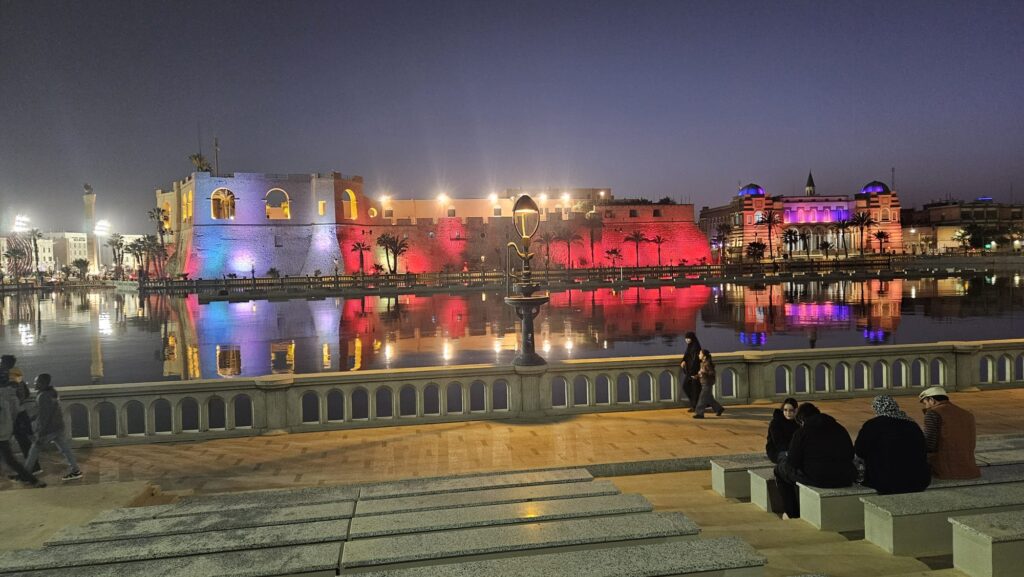
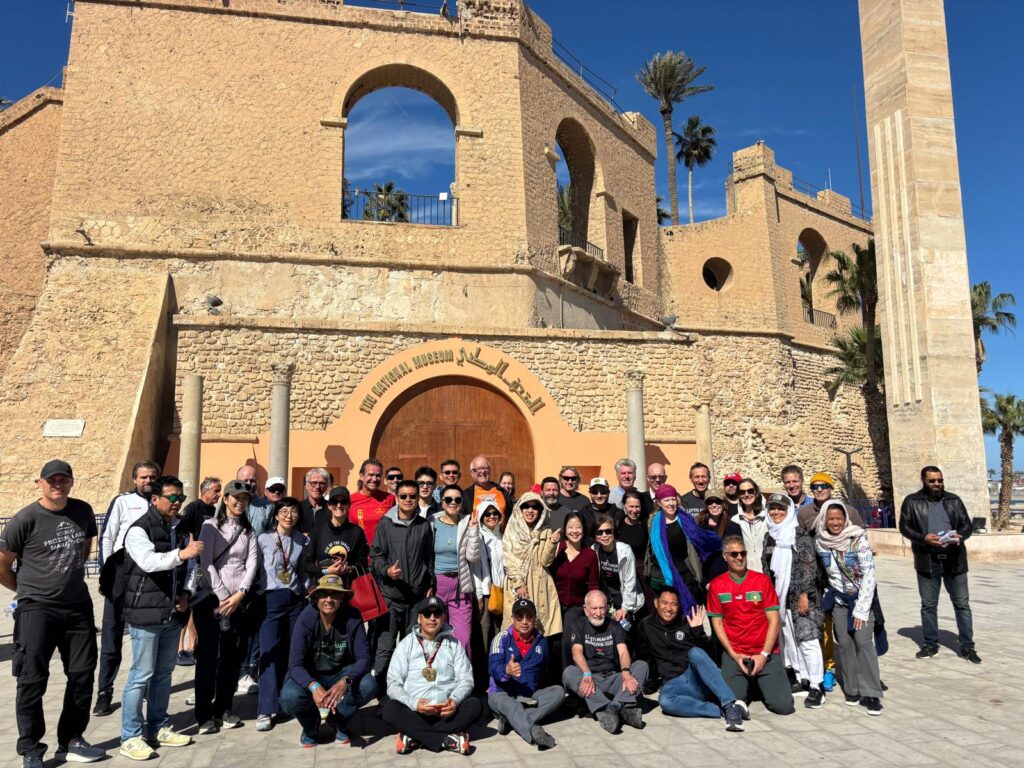
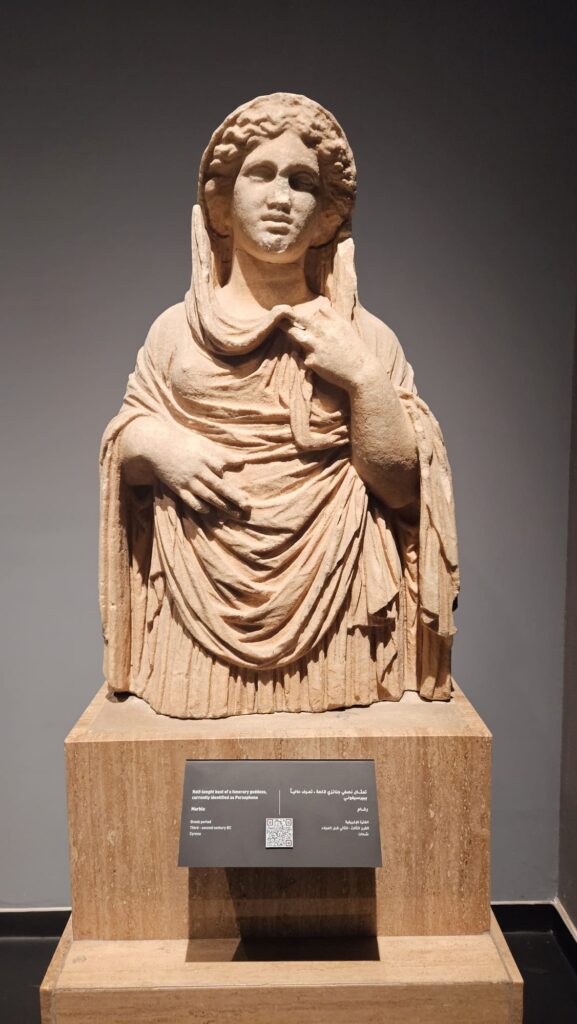
We spent hours at the National Museum inside the Red Castle (Assaraya al-Hamra), which houses everything from prehistoric art to Roman statues. 🏛️🎨
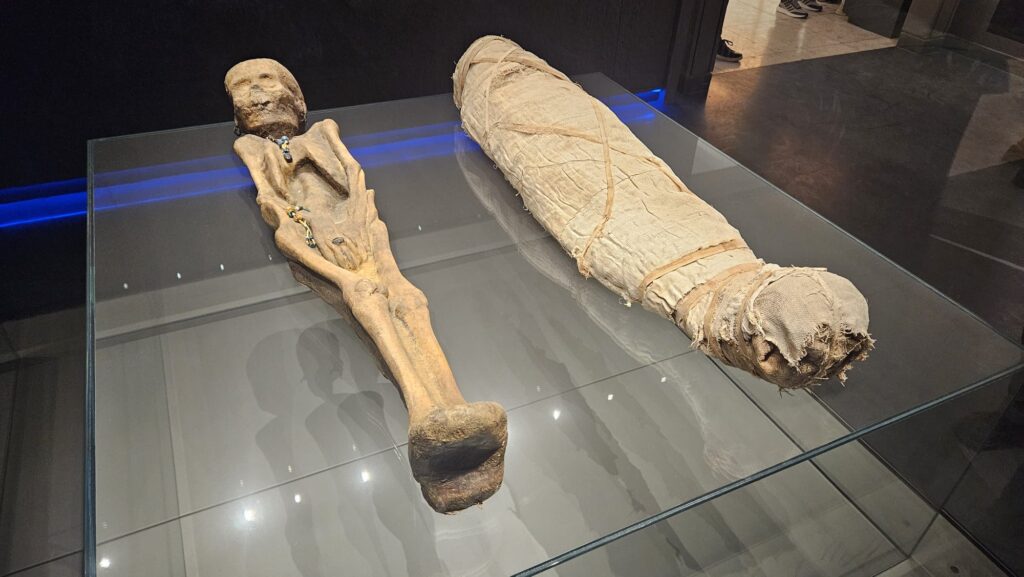
Also the famous Libyan Mummies, which are older than the Egyptian ones!
The Soul of the Medina 🕌✨
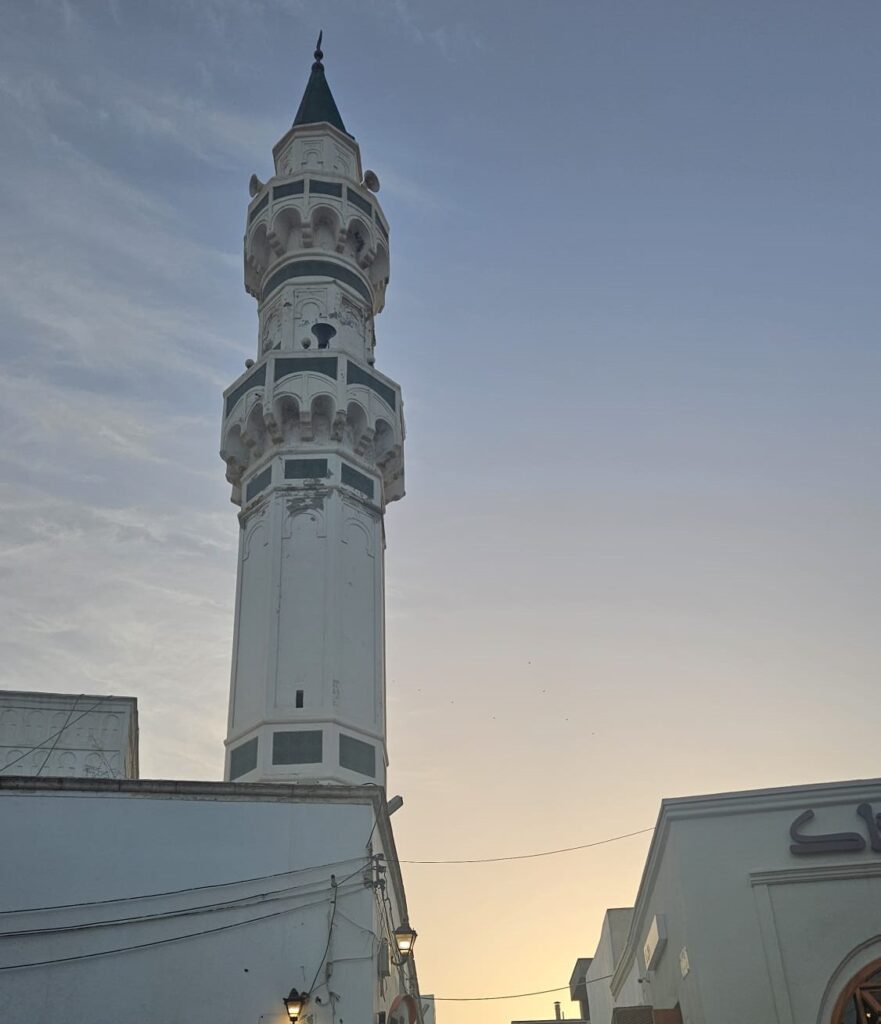
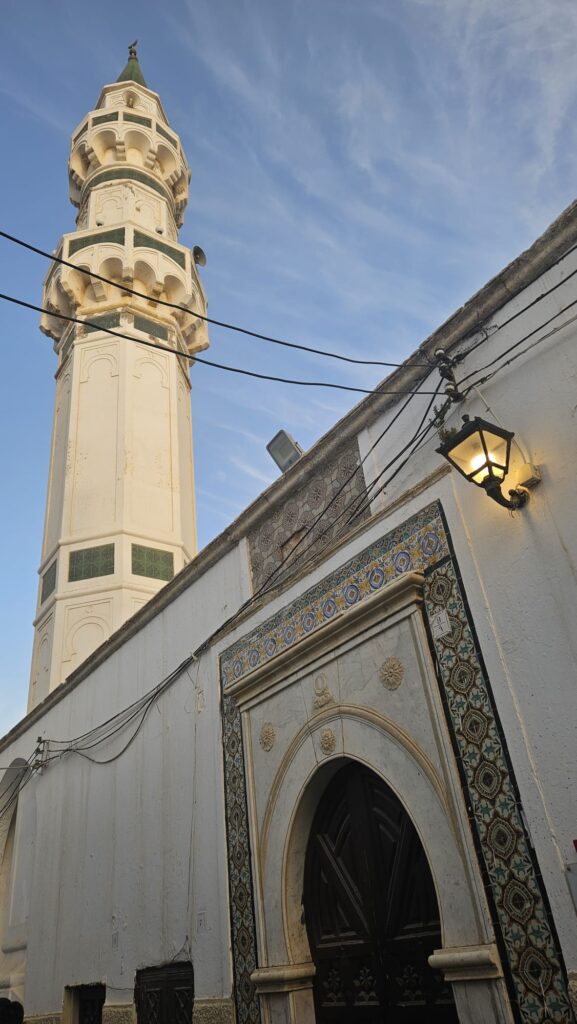
Outside, we found the Arch of Marcus Aurelius and the Gurgi Mosque with its iconic octagonal minaret. The Old City felt wonderfully “unspoiled.” 👣🏘️
Wandering the Souk was relaxing and authentic. We took endless photos of the local cats and smiled at curious children. Even with our police escort, the hospitality felt genuine. 📸🐱
🏃♀️ The Race 🏃♂️: Running Through Ancient History 🏅🔥
Early Starts and Police Escorts 🥐👟
The race morning began with a 6:00 am breakfast. The hotel provided a very complete spread. I had a croissant with Nutella and was over the moon! 🥐🍫
We left at 7:15 am. A bus took our energized group on a one-hour drive to the site. We were escorted by two police cars the entire way. It was quite an overwhelming sight. 🚔🚌
Dress Code and Desert Heat ☀️🌡️
Most of us followed the recommended dress code of long sleeves, long pants, and loose clothing. Some women even wore sport niqabs. I wore two layers of long sleeves and struggled immensely with the heat.
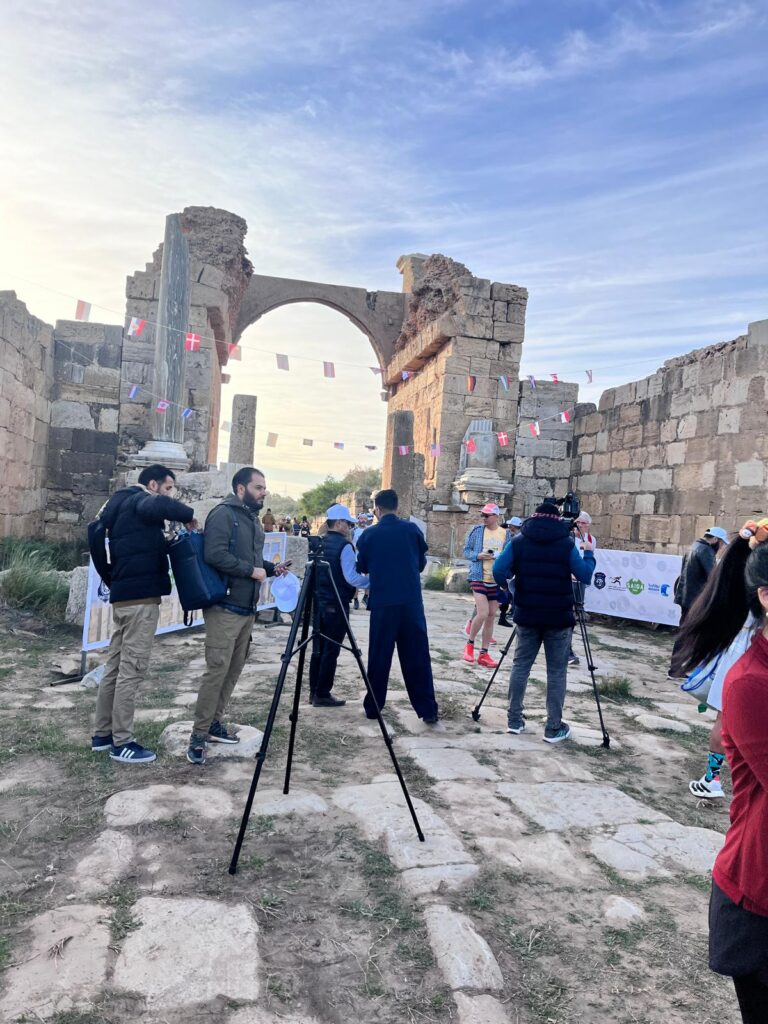
Although it was the first week of February, it was 25°C (77°F) and very sunny. By midday, it became incredibly windy. Pack your sunscreen! 🧴💨
Start of the Race: The Arch of Septimius Severus 🏁🏛️
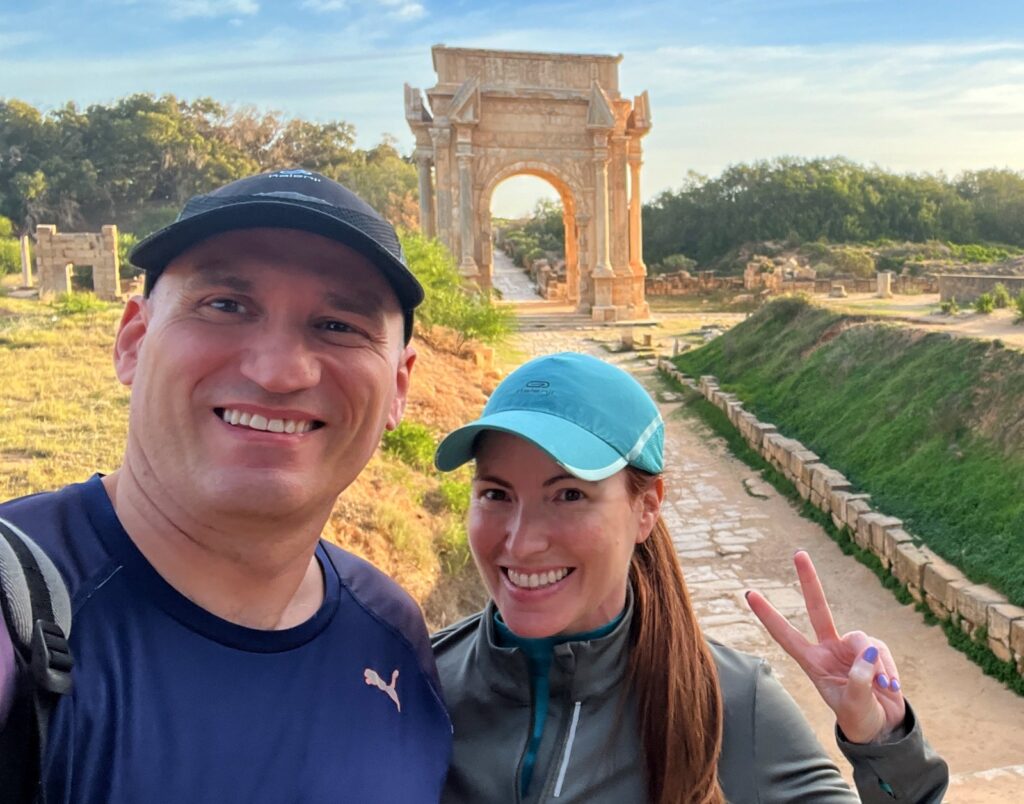
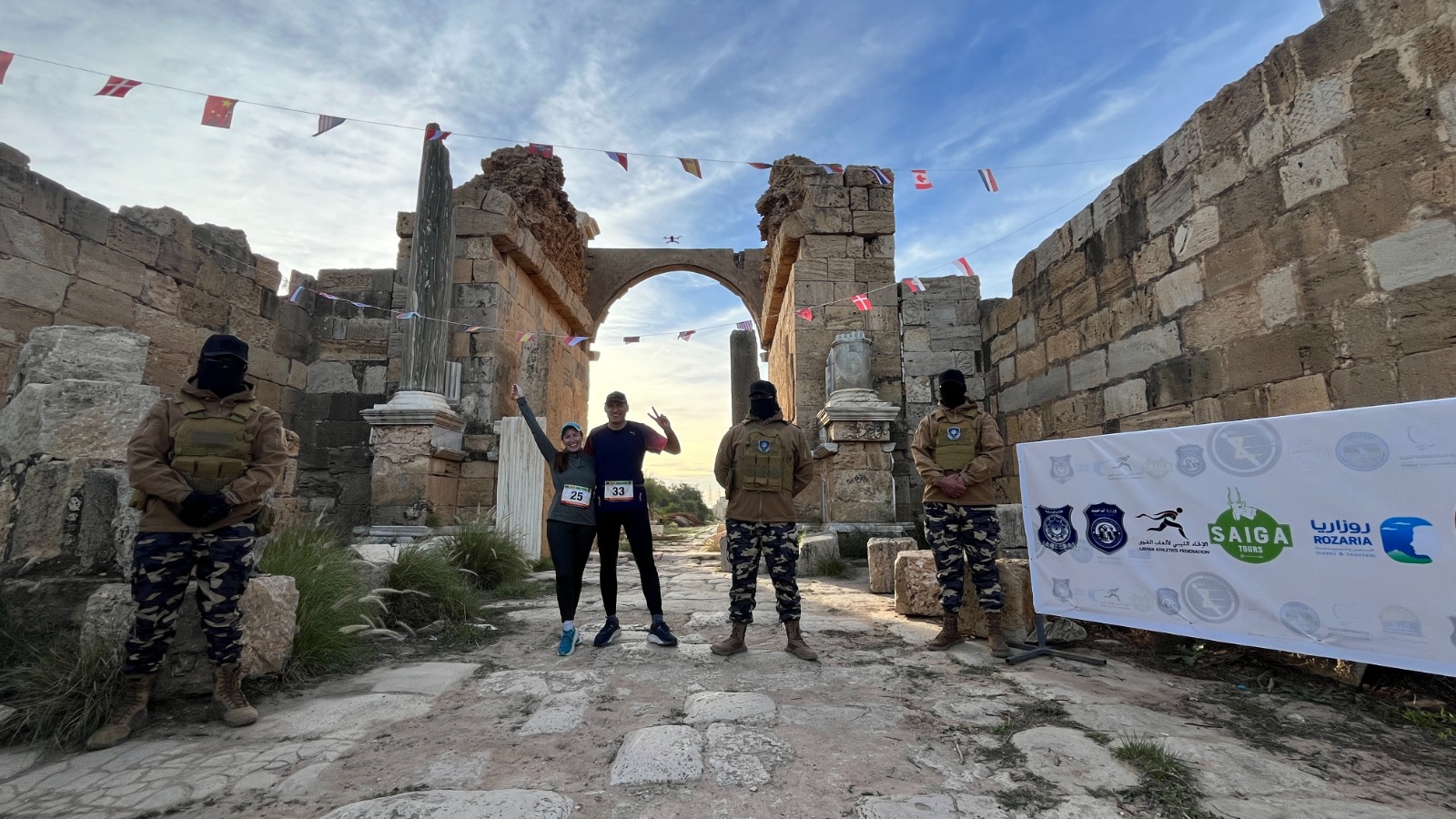
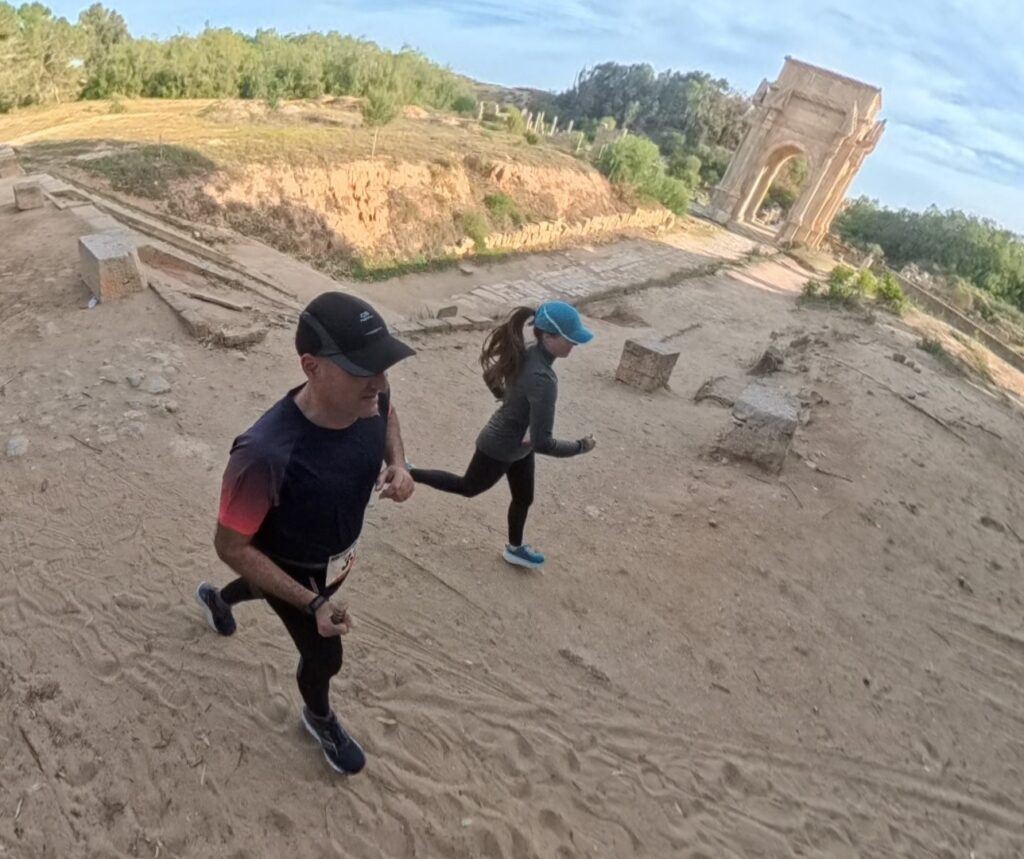
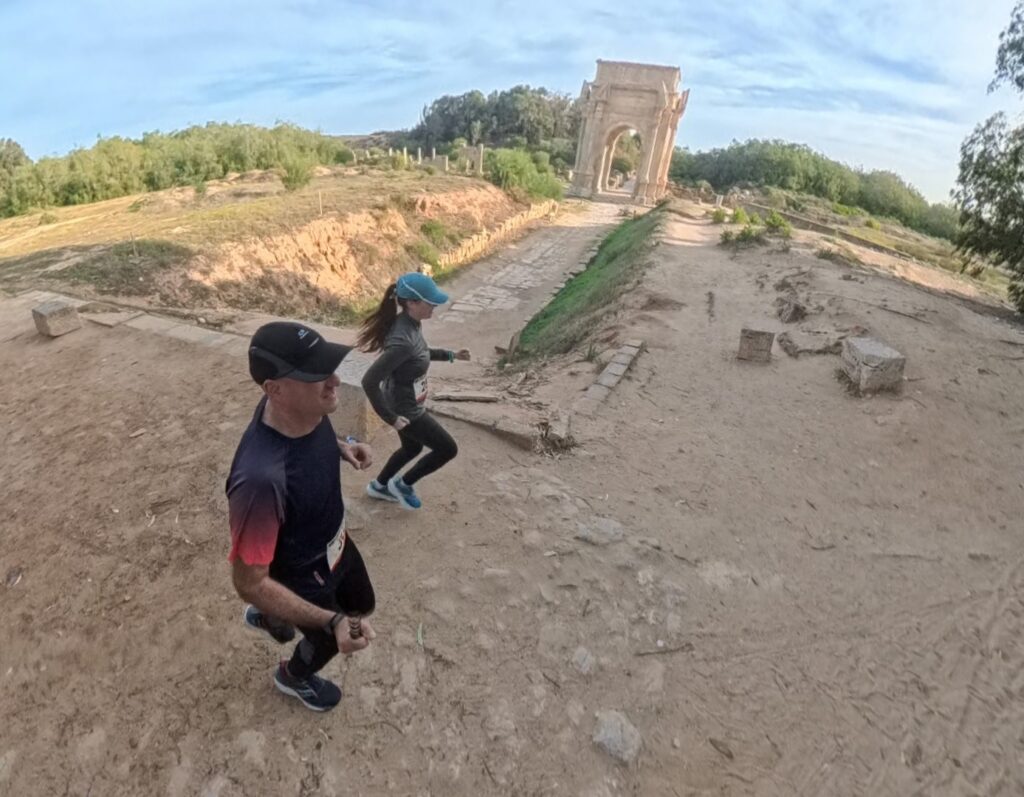
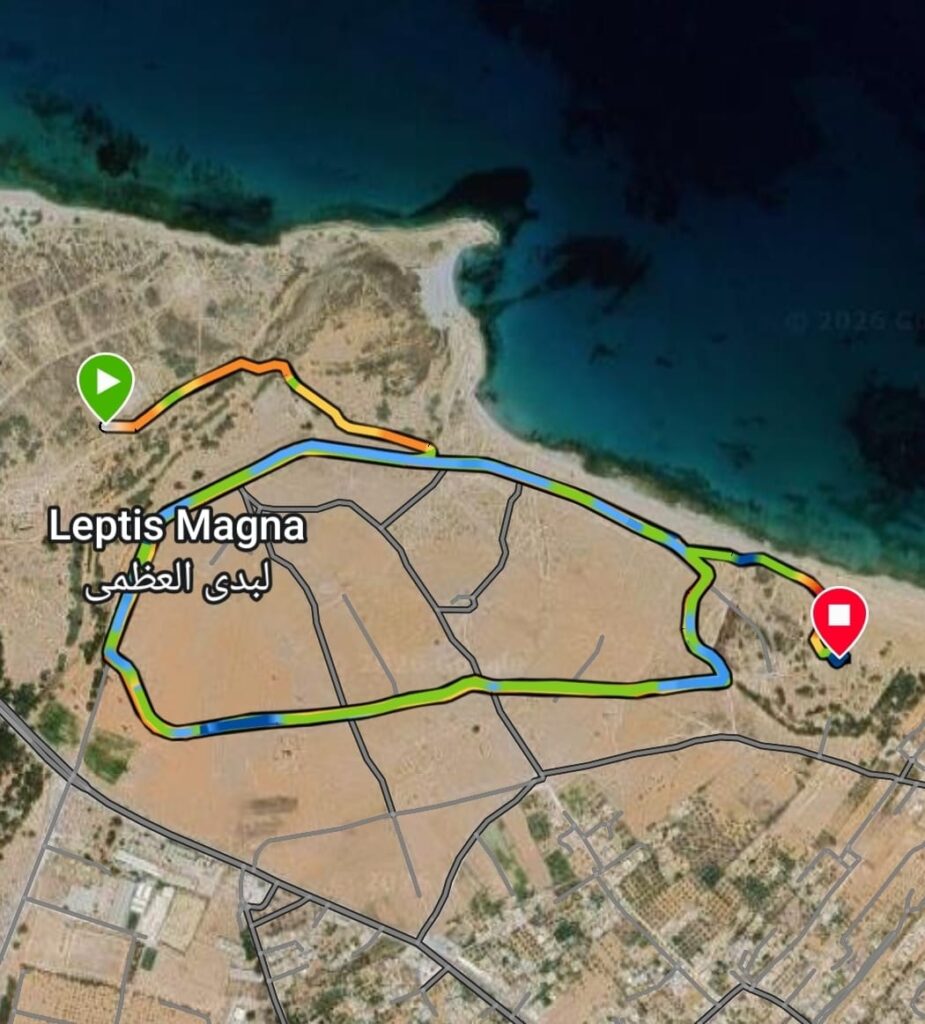
The first 1.8 km were the absolute best. We ran directly through the ruins! We started close to the Arch of Septimius Severus, the Roman emperor born right here. 🤳👮
There were many policemen stationed around who looked quite fierce at first. However, as we started taking photos, many let us pose with them and even cracked a smile.
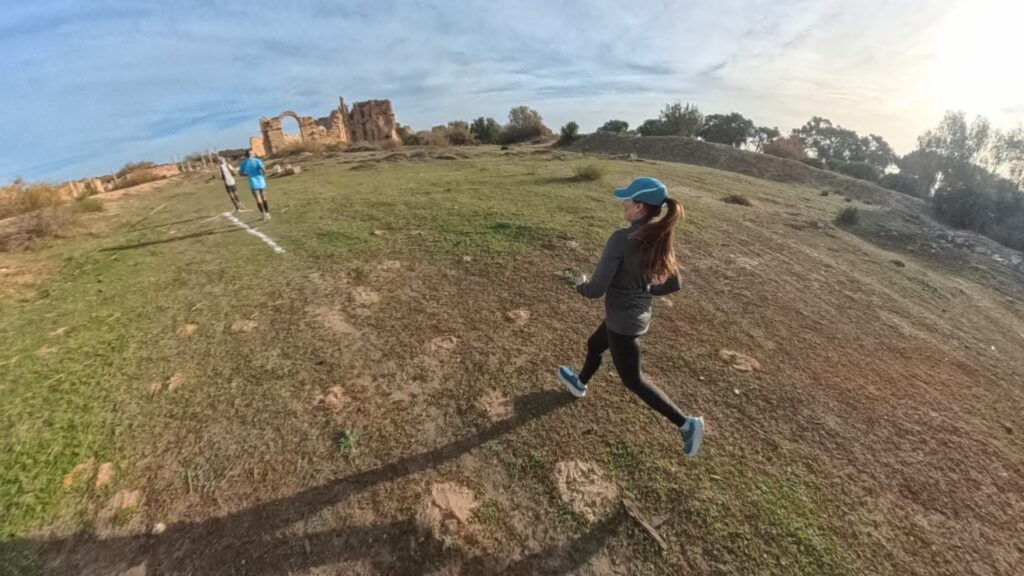
We didn’t run too fast at the start because we just wanted to loom around and soak in the ancient terrain. 🏛️📸
The Course and Logistics 🔄🚲
The course was well-organized. Fast runners followed a lead cyclist to ensure they stayed on track. After the initial ruins, we moved to the main 3.2 km loop. Marathoners completed 13 laps, while half-marathoners did six, plus the final stretch. 🚴♂️📍
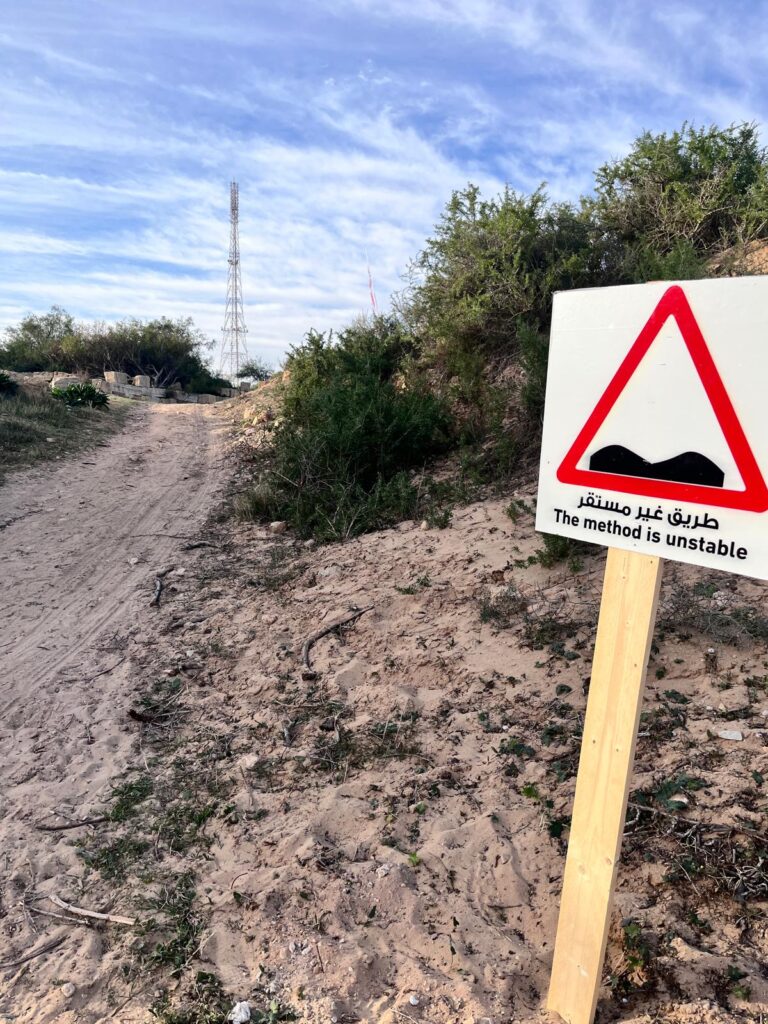
Aid Stations: Dates and Pringles! 🥤🥨
The aid stations were surprisingly well-stocked. They offered everything from Pepsi to Hot BBQ Pringles. The spicy chips were a questionable choice for running, but I loved them anyway! 🥨🔥
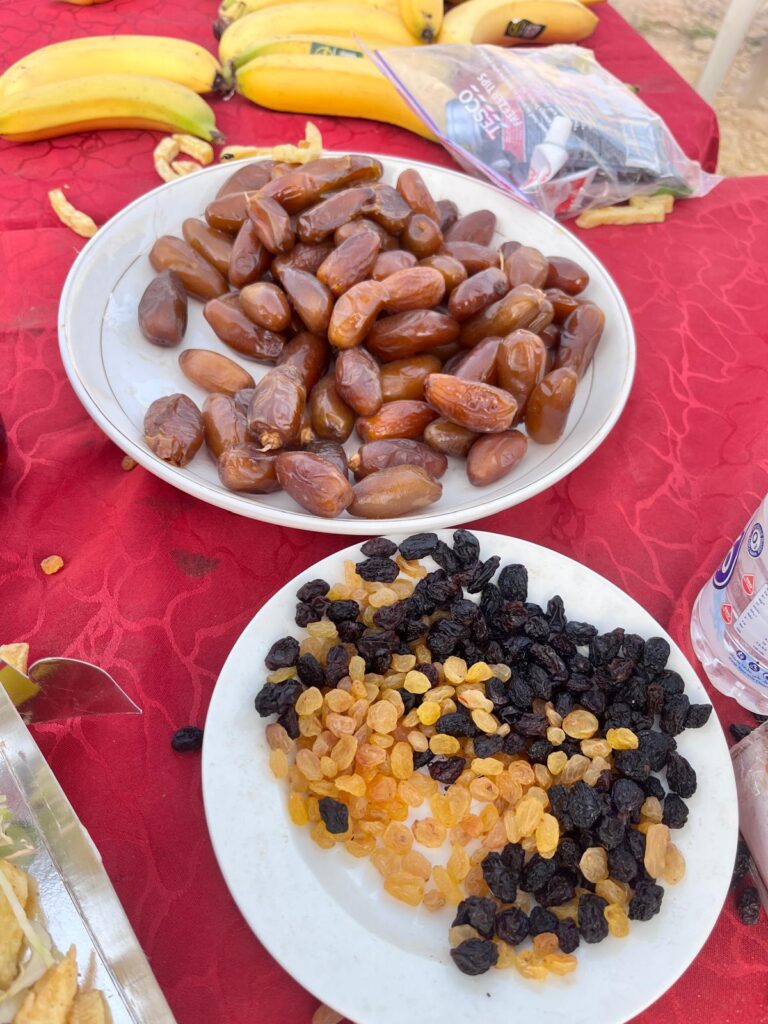
My personal favorites were the dates and dried fruits. I ate one date every lap and they worked better than my usual power gels. 🌴🔋
Camaraderie and Soldiers 🤝👮♂️
There was a great feeling of love for running. Some legends in our group were over 75 years old and had run in 200 different territories! Soldiers were everywhere making sure everything was okay.
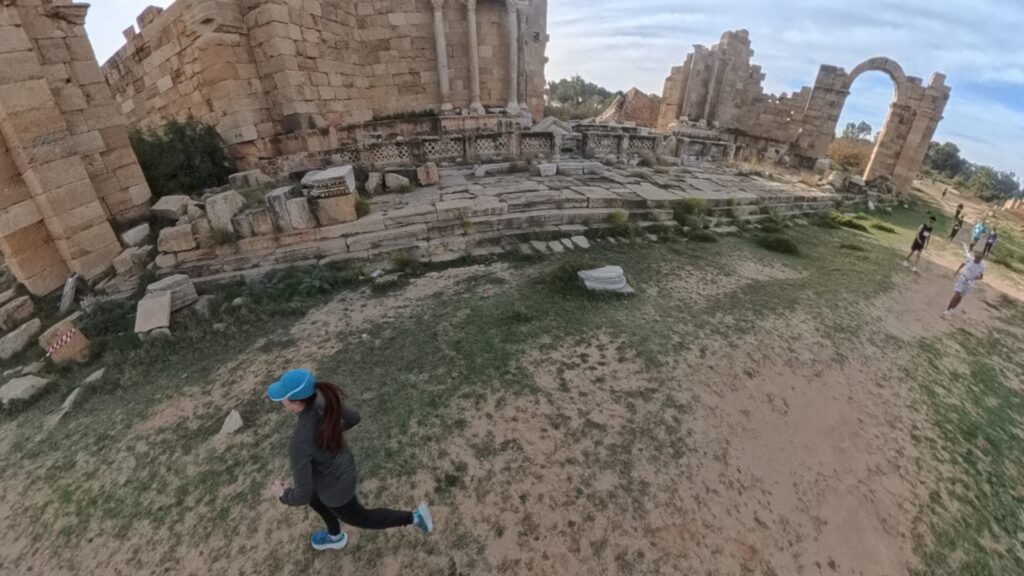
We often heard “Where are you from?” followed by a friendly “Hala Madrid!” as we passed. Which was conveniently answered by a “Força Barça!” and loads of smiles.
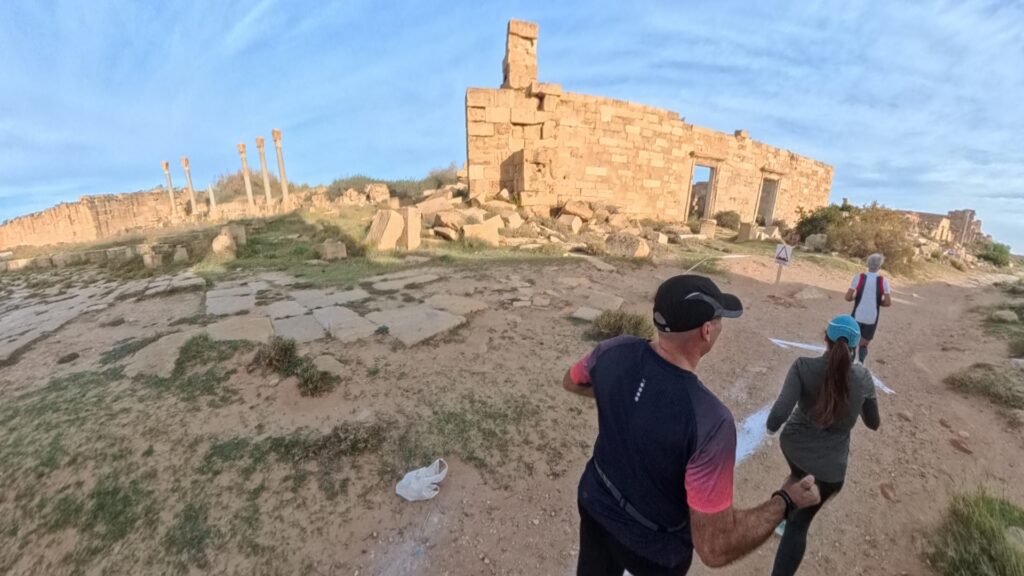
Amongst runners, we encouraged each other constantly as we overtook the stoic marathon runners or were passed by the fastest athletes. 🏃♂️❤️
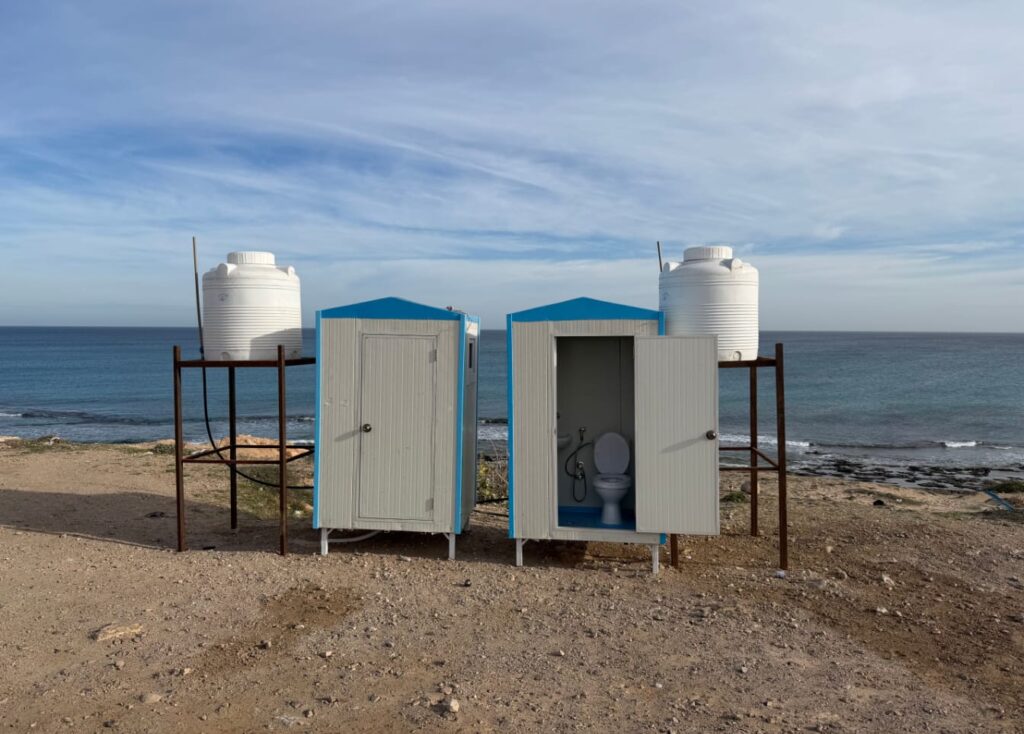
Special mention to a Chinese runner who won the marathon running under 4 hours!!! “Go China!”
The Great Finish: A Roman Victory 🏟️🌊
As we approached the finish, the wind picked up. Since we were the first to finish the Half Marathon, we actually caught the organizers by surprise! A guy had to run with us to show us the final path. 🏃♂️🏁
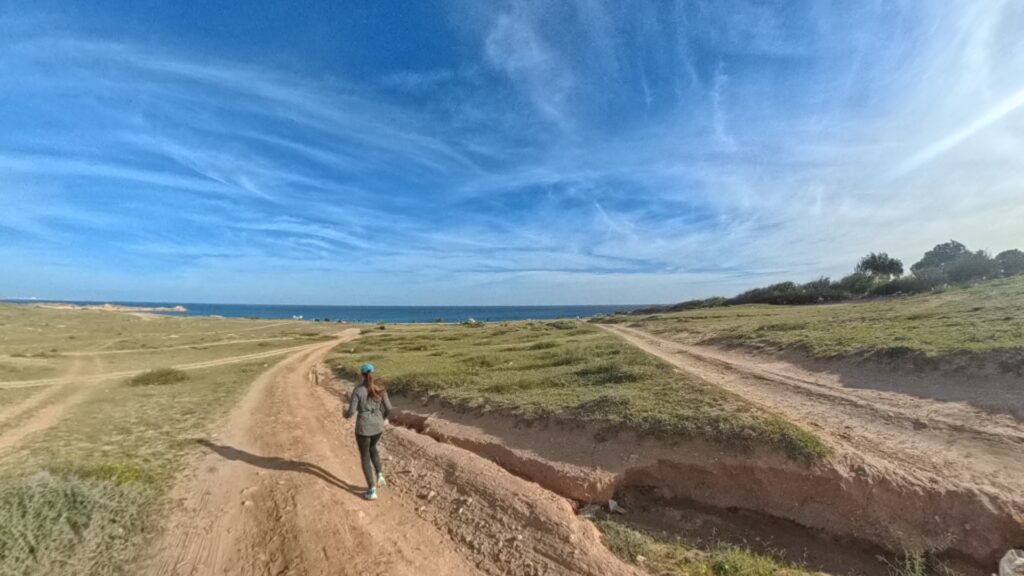
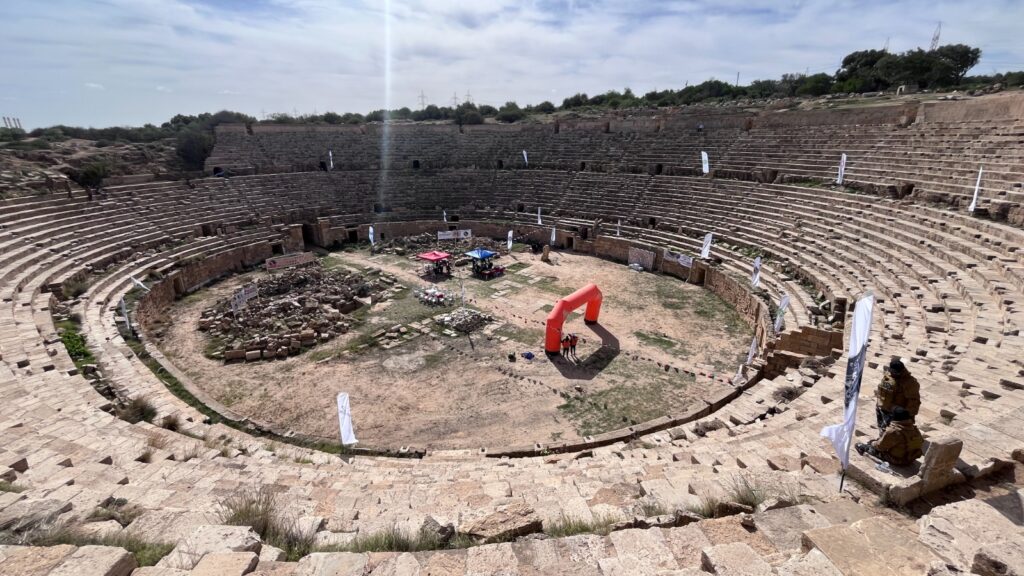
The last stretch was run on sand. It was technically difficult but the views of the Mediterranean Sea were incredible. Then came the highlight. We finished inside the ancient Amphitheater. Entering that well-preserved Roman stadium was a glorious high. We had to shout to the photographers who weren’t expecting us yet, but they reacted quickly to film our big moment! 🏆🏟️
Post-Race Buzz 🎤📸
The organizers looked puzzled because we finished in just over two hours. Once we clarified it was the Half Marathon, they gave us pieces of paper as evidence. I’m keeping mine as a souvenir! 📝😝
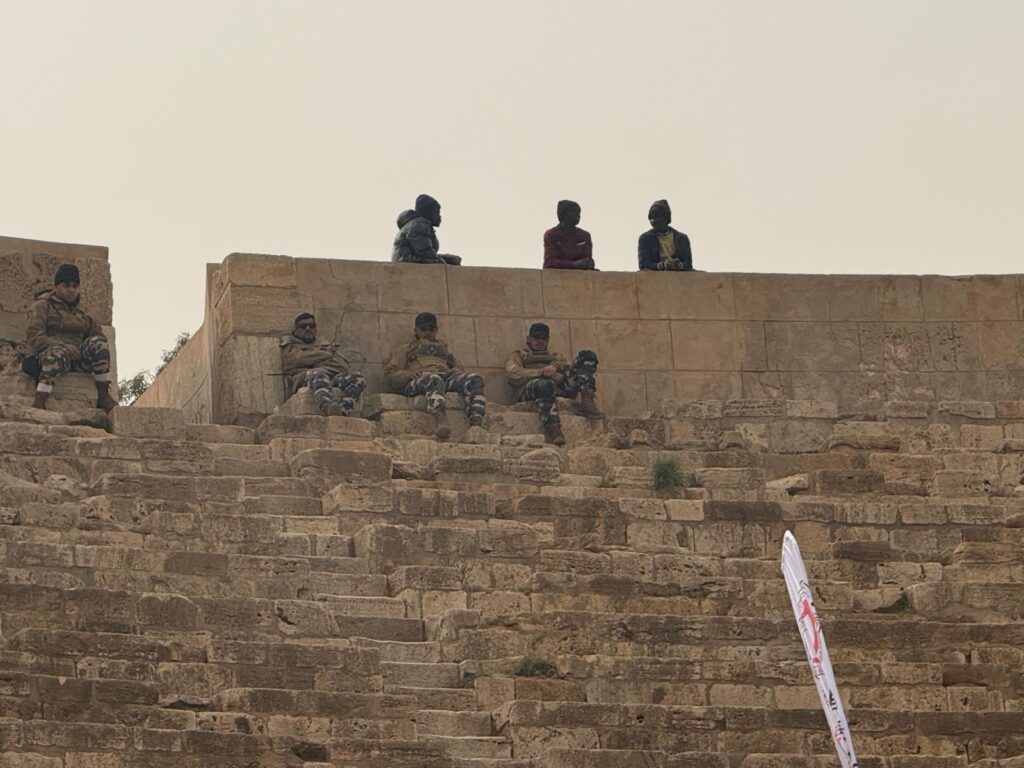
We were even interviewed by Libyan TV and France News. Afterward, we celebrated by taking selfies with the many soldiers who were now eager to pose with us. 🎥✨
Visiting Leptis Magna: A Step Back in Time 🏛️🌊
Since we had about six hours to spare while the last marathon runners were expected to finish 😝, we took the opportunity to truly explore the ruins. It was an amazing experience. These ruins are legendary, well-preserved, and incredibly isolated. I was so surprised by them! 😲🏛️
Grandiosity and the Medusa Faces 🗿✨
I was especially impressed by the intricate stone work and the sheer grandiosity of the buildings.
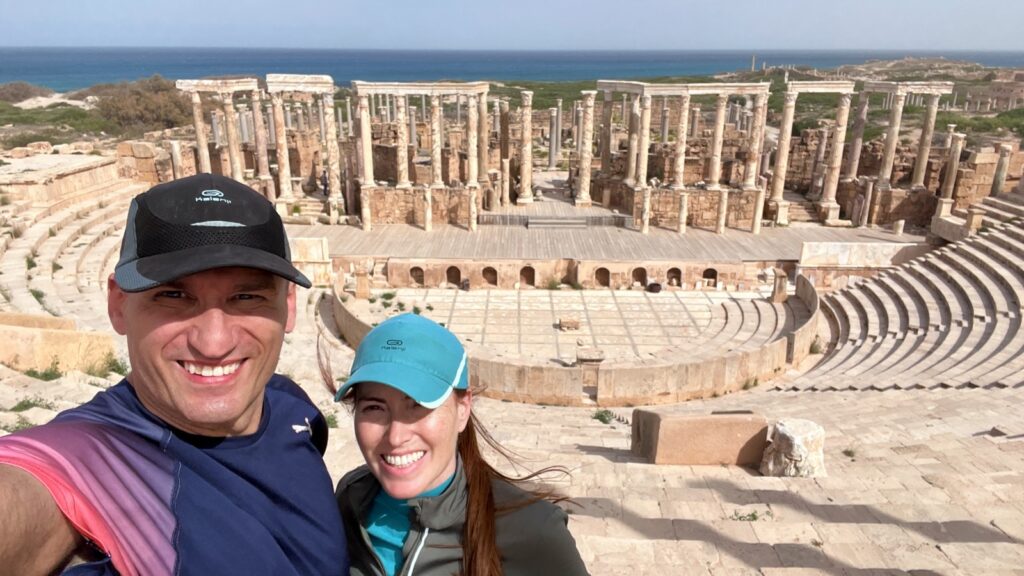
We spent time marveling at the Severan Forum, where the famous Medusa medallions remain remarkably preserved. Their stony glares are still hauntingly detailed after nearly two millennia. Standing in the center of the massive Roman Theater, looking out over the tiers of stone, the scale of the Roman Empire’s ambition felt visceral. 🏺👁️
A 19th-Century Expedition 🧭📜
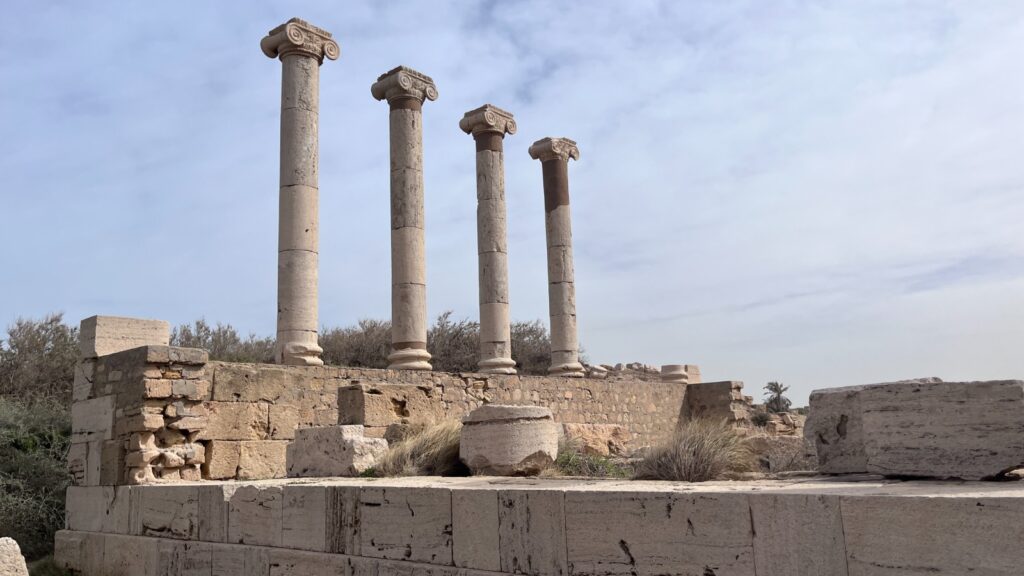
What made the visit even more special was that, for the only time in Libya, we were all by ourselves. There were no crowds and no tourist traps. It was just the sand, the beach, the wind, and the echoes of the waves. 🌊🌬️
It felt like a 19th-century trip. In a world of over-tourism, finding ourselves completely alone with the history of the world was magical. It felt less like a modern tour and more like an ancient expedition. 🕰️✨
Local Warmth 🤝❤️
We only saw a couple of local families during our walk. They looked at us with kind expressions and smiled. They called out the phrase we heard so often during our trip: “Welcome to Libya!” It was a rare, peaceful moment where the ancient world and modern hospitality met on the edge of the sea. 🇱🇾😊
Celebratory Dinner: The Mystery of the Stolen Medals 🥇📖
There was a brief mystery when we were told our medals had been stolen. This was hilarious because there were more policemen than runners! 🤣
At the celebratory dinner, the expert on Leptis Magna gave a speech and sold his books for just 1 Euro. He repeated his plea: “Thanks for coming. We are not terrorists!” 📖🙏
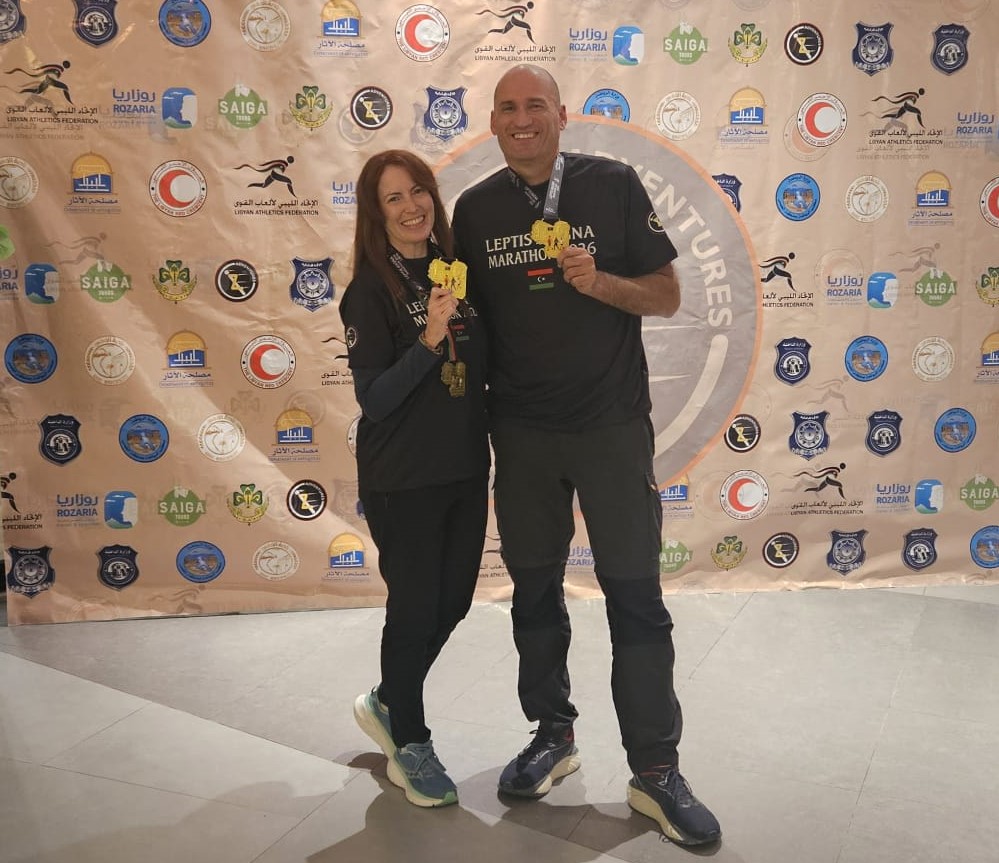
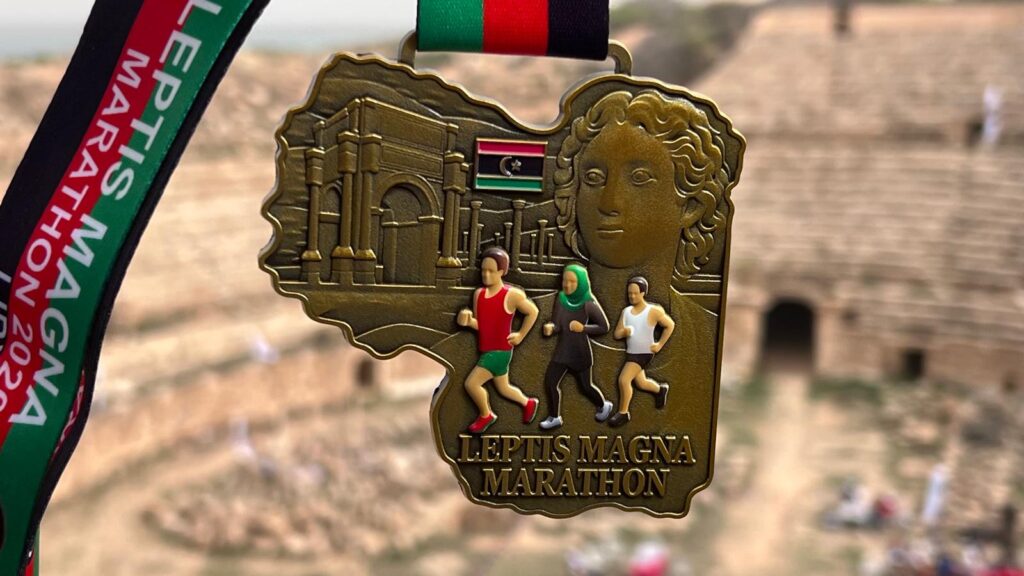
Then came the surprise. Our medals had been “recovered” by the police… though we still don’t know how! We received gold medals at the ceremony, along with our race t-shirts. 🕵️♂️🏅
Libya is a complex, beautiful place that is slowly finding its feet again. It was a true 19th-century adventure in a modern world. 🇱🇾❤️
🍜 Carboloading 🍝: What to eat in Libya if you are a runner
When you’re fueling up or recovering in Libya, the local cuisine offers some surprisingly perfect options for runners.
The food culture is a beautiful blend of Mediterranean and North African traditions, meaning you’ll find plenty of high-energy grains and protein-rich stews.
Pre-Run Fueling: The Carb-Load
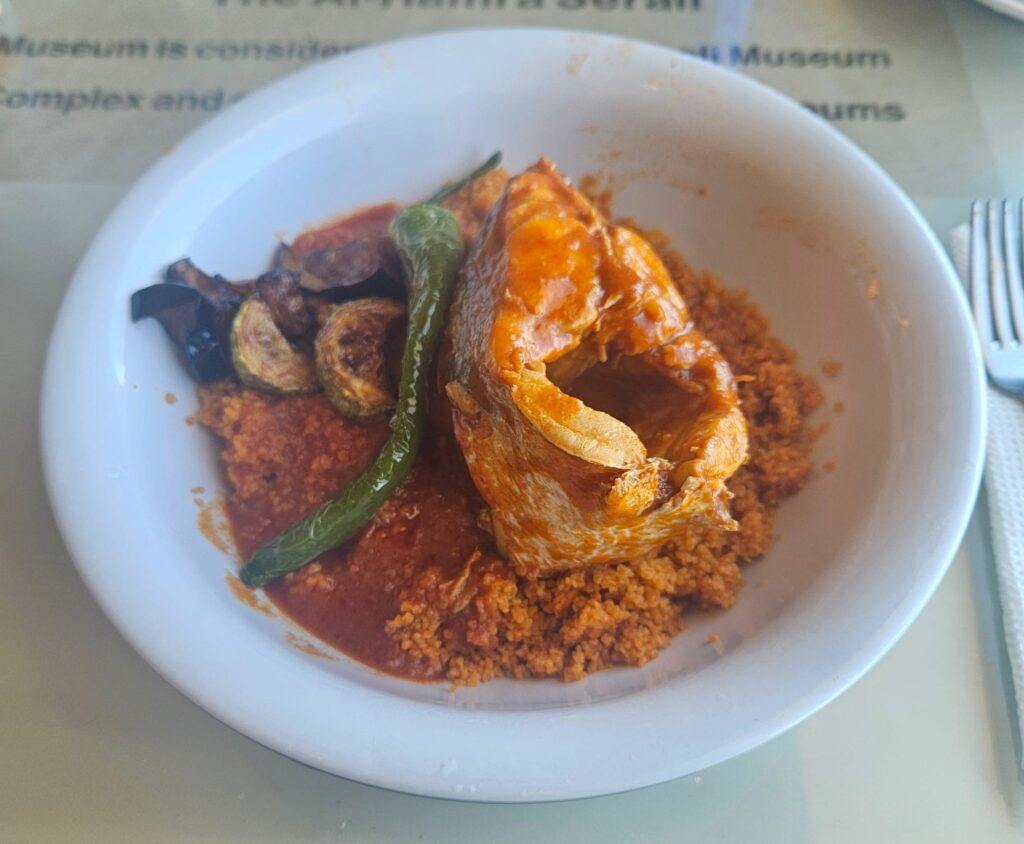
For your pre-run meal, look no further than Libyan Couscous.
Unlike the lighter Moroccan version, Libyan couscous is often steamed to a hearty consistency and served with a rich tomato-based sauce. To keep it runner-friendly, skip the heavy fats and focus on the semolina pearls themselves, which provide excellent complex carbohydrates for sustained energy.
Another fantastic option is Mbaka (or Pasta Mubakara), a unique “one-pot” pasta dish. Because the pasta is cooked directly in the sauce, it absorbs all the flavors while providing the glucose your muscles need to hit those high miles. 🍝🏃♂️💨
Post-Marathon Recovery: The Protein Rebuild
After crossing the finish line, your body needs to repair, and Bazeen is the ultimate Libyan recovery meal. It is a dense, unleavened bread made from barley flour, traditionally shaped into a dome and surrounded by a meat stew (usually lamb) and a spicy tomato sauce.
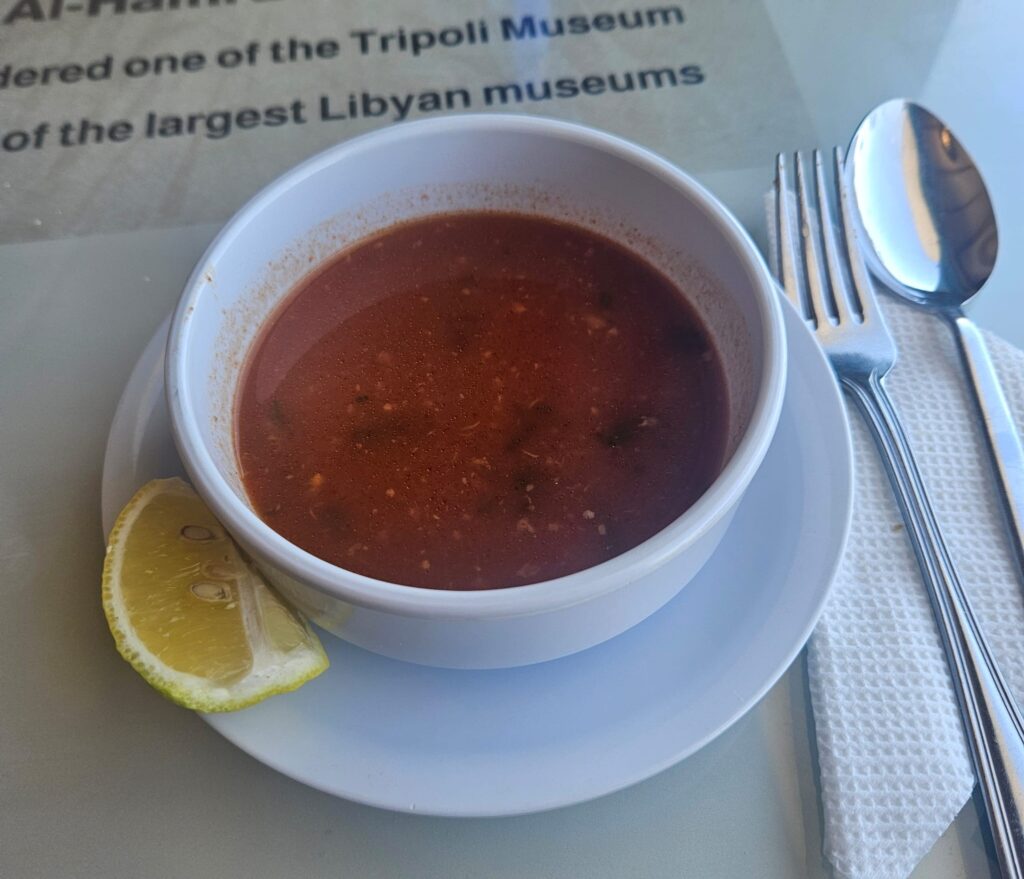
The barley provides slow-release carbs to replenish your glycogen, while the tender lamb offers the essential protein needed for muscle repair. If you want something slightly lighter but equally traditional, try Shorba Libya (Libyan Lamb Soup).
It’s packed with tiny grains of “bird’s tongue” pasta (orzo), chickpeas, and cilantro, making it a great way to rehydrate and get some much-needed electrolytes back into your system. 🍲🥩🦁🙌

Useful information
🏆 Letpis Magna Marathon and Half Marathon.
🌐 Website: https://z-adventures.org/libya-challenge.html
🏃 Number of runners: 55.
🗓️ When: February.
✅ Historic Access: You get the rare thrill of running through UNESCO ruins and finishing in a Roman amphitheater without any crowds.
⚠️Significant Delays: Expect everything from airport security to hotel check-ins to take much longer than usual due to a lack of tourism infrastructure.
✅ Warm Hospitality: Locals and soldiers are incredibly welcoming, frequently greeting visitors with “Welcome to Libya” and friendly conversation.
⚠️Restricted Freedom: You must be escorted by tourist police at all times and cannot roam the country freely.
✅ Unique Atmosphere: The race offers a “19th-century adventure” feel with quirky aid stations featuring local dates and Pringles.
⚠️Political Volatility: Active armed conflicts between rival factions can lead to sudden, last-minute cancellations of travel plans.

Map
One book
“In the Country of Men” by Hisham Matar
Reading this novel while traveling through Libya is an incredibly grounding experience. It peels back the layers of the Mediterranean sun and white-walled architecture to reveal the deep-seated resilience of the Libyan spirit. 🇱🇾
Understanding the historical weight the country carries allows you to appreciate the warmth of its people and the quiet strength of its culture in a way a guidebook never could. It’s a hauntingly beautiful companion for your journey. 🌊📖
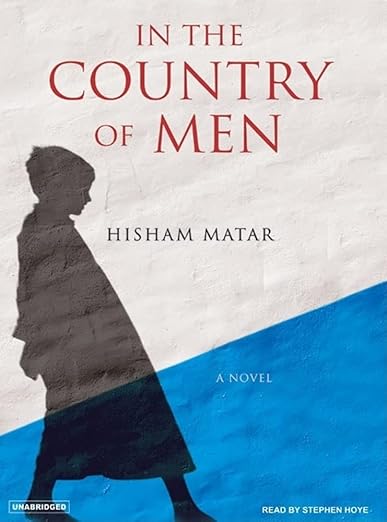
Plot Summary: The story is set in Tripoli in 1979, seen through the eyes of nine-year-old Suleiman. While the summer heat sizzles, the political atmosphere is even more volatile under Gaddafi’s “Revolution.” When Suleiman’s father goes on a “business trip” that turns out to be a disappearance into the hands of the secret police, the boy’s world fractures. He is forced to grow up instantly, navigating his mother’s fragile emotional state and the terrifying realization that even neighbors and friends might be watching. It is a masterful, heartbreaking exploration of the loss of innocence against the backdrop of a nation in turmoil. 🏠🚶♂️🌑